$500 Off Cabinet Painting
TL;DR
| Should pressure treated wood be primed? | Yes, if the wood is dry enough and you’re applying an opaque paint system. |
| When is latex primer recommended? | Most exterior siding, fences, pergolas, railings, trim and structural wood that will receive acrylic exterior paint. |
| When shouldn’t you use primer? | On freshly treated wood that’s still wet or when using a penetrating exterior stain instead of paint. |
| Professional recommendation | Wait until moisture is low enough, prepare the surface thoroughly, then use a high quality 100% acrylic exterior primer rather than rushing to paint. |
| Expected lifespan | 8–15 years is realistic for properly primed vertical surfaces. Horizontal surfaces generally require maintenance sooner. |
| Typical drying timeline | New lumber commonly needs several weeks to several months depending on treatment type, weather and moisture content. KDAT lumber can often be painted much sooner. |
| Typical material cost | Approximately $35–$80 per gallon for quality exterior latex primer. |
Choosing the best exterior latex primer for pressure treated wood starts long before opening a can of primer. The condition of the wood, its moisture content, and the type of pressure treatment all determine whether the paint system lasts for a decade or begins peeling within a few years. Modern pressure treated lumber behaves differently than older treated wood, which is why primer selection and proper surface preparation matter more than ever.
Pressure treated lumber has changed significantly over the last two decades. Modern preservatives are safer than older formulations, but they also affect how paint systems perform. The biggest reason painted pressure treated wood fails isn’t usually the paint itself, it’s painting before the wood is ready.
Choosing the right exterior latex primer is only one part of the equation. Moisture content, wood species, mill glaze, surface preparation and exposure all determine whether the finish lasts three years or fifteen.
This blog explains how professional painters make those decisions and why different primers perform better under different conditions.
Why Pressure Treated Wood Behaves Differently
Pressure treated lumber is manufactured by forcing preservative chemicals deep into the wood under pressure. Most residential lumber today is treated with preservatives such as:
- ACQ (Alkaline Copper Quaternary)
- CA-C (Copper Azole)
These replaced the older CCA formulations used for many years. Although the preservatives help prevent decay and insect damage, they also introduce a large amount of moisture during manufacturing. Fresh boards frequently leave the treatment plant with moisture levels far above what most paint manufacturers recommend for coating.
Wood also continues expanding and shrinking as seasons change. Pressure treated southern yellow pine, one of the most common species, moves considerably more than cedar or redwood. Primers need enough flexibility to move with the wood without cracking.
How Preservatives Affect Paint Adhesion
The preservatives themselves are rarely the reason paint peels. Instead, they contribute indirectly by leaving the wood wetter for longer. When excessive moisture remains trapped beneath primer:
- Adhesion decreases. curing slows dramatically.
- Vapor pressure builds beneath coatings.
- Blistering becomes more likely.
- Peeling often begins around joints and end grain.
Modern acrylic primers tolerate normal wood movement better than older products, but they still cannot compensate for excessive moisture inside the lumber.
Should You Paint or Stain Pressure Treated Lumber?
The answer depends more on the project than the wood. Paint works best for:
- Porch railings.
- Pergolas.
- Fences.
- Exterior trim.
- Decorative structures.
- Privacy screens.
Paint provides a solid color and the highest UV protection but eventually requires scraping when it begins failing.
Stain works better for:
- Deck floors.
- Steps.
- Horizontal walking surfaces.
- Dock surfaces.
Professional painters rarely recommend painting deck flooring because foot traffic quickly wears through the coating. Once paint starts peeling on a deck, maintenance becomes much more labor intensive than maintaining a penetrating stain. If a homeowner wants minimal long term maintenance, stain is often the better choice.
How Long Should Pressure Treated Wood Dry?
There isn’t a universal timeline. A board installed during a hot, dry Ohio summer behaves very differently than one installed during a wet autumn. Typical drying ranges include:
- Fresh pressure treated lumber 2–6 months
- Wet winter installation Often longer
- KDAT (Kiln Dried After Treatment) Sometimes immediately after installation if moisture is acceptable
- Previously weathered lumber Depends on measured moisture
Moisture testing is more reliable than the calendar. Contractors frequently encounter decks built three months earlier that are still too wet to paint because they remained shaded or covered. Conversely, a pergola built with KDAT lumber may be ready within days.
Book Free estimate now!
Schedule a free estimate with our experts at Trucoat Painting Plus to gain insights on your cabinet painting project.
How to Measure Moisture Correctly
Professional painters don’t rely on appearance. Wood can look dry while still containing excessive internal moisture. A pin type moisture meter provides the most dependable readings.
Take measurements:
- Several locations.
- Near joints.
- On shaded sides.
- Near end grain.
- Several boards throughout the project.
Avoid measuring immediately after rain or pressure washing.
What Moisture Percentage Professionals Look For
Most paint manufacturers recommend painting only after wood moisture falls below approximately 15%, with many professionals preferring 12–15% for the best results. If moisture testing still reads above 15%, waiting almost always produces a longer lasting finish than changing primer brands.
One common job site example involves a new fence installed in spring. The homeowner wants it painted before summer parties. If the boards still average 18–20% moisture, experienced painters typically postpone painting rather than risk widespread peeling a few years later.
Understanding Mill Glaze and Why It Causes Paint Failure
Mill glaze is one of the most overlooked causes of poor adhesion. During manufacturing, planers compress wood fibers into a smooth, slightly burnished surface.
Primer may adhere adequately at first but bond poorly beneath that compressed layer. Light sanding with 80–120 grit paper removes the glaze and exposes more absorbent wood fibers. Many professional painters sand even new lumber for this reason.
How to Prepare Pressure Treated Wood for Exterior Latex Primer
Preparation determines success more than primer selection. Proper preparation usually includes:
- Allow the lumber to dry sufficiently.
- Remove dirt and construction debris.
- Wash mildew if present. Allow the surface to dry completely.
- Sand glossy or glazed surfaces.
- Round over splintered fibers.
- Remove dust.
- Spot prime exposed end grain if necessary.
If the boards were pressure washed yesterday, painting should wait until moisture readings return to acceptable levels.
Book Free estimate now!
Schedule a free estimate with our experts at Trucoat Painting Plus to gain insights on your cabinet painting project.
Latex Primer vs. Oil Primer
For most pressure treated wood, today’s premium acrylic latex primers outperform traditional oil primers.
Exterior Latex Primer Advantages
- Better flexibility.
- Excellent long term color retention.
- Easier cleanup.
- Lower odor.
- Improved compatibility with modern acrylic paints.
- Less likely to become brittle over time.
Latex technology has improved dramatically during the last decade. Premium acrylic formulations develop stronger adhesion than many homeowners expect.
Oil Primer Advantages
Oil (alkyd) primers still offer benefits under certain conditions.
They often:
- Penetrate weathered wood well.
- Block stubborn stains. reduce tannin bleed.
- Seal heavily aged surfaces.
However, they generally have longer drying times, stronger odors and stricter cleanup requirements.
Situations Where Professionals Still Use Oil Primer
Latex is not always the right answer. Experienced painters may still reach for alkyd primer when:
- Repainting severely weathered wood.
- Covering heavy tannin stains. restoring older cedar or redwood.
- Sealing smoke or water staining.
- Dealing with unknown previous coatings.
Pressure treated pine itself rarely requires oil simply because it’s pressure treated.
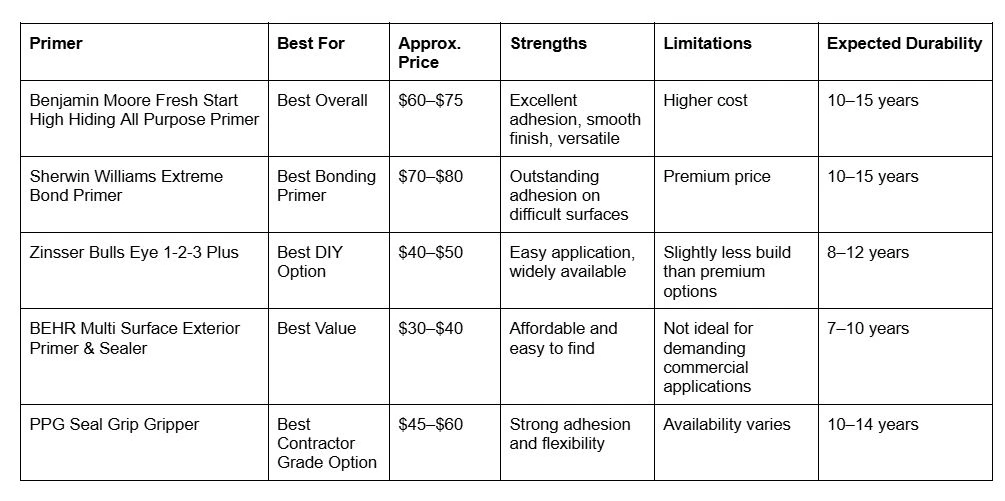
Best Exterior Latex Primers
No single primer fits every project. These products consistently perform well when used on properly prepared, dry wood.
Book Free estimate now!
Schedule a free estimate with our experts at Trucoat Painting Plus to gain insights on your cabinet painting project.
Which Primer Is Right for Your Project?
Best Overall
Benjamin Moore Fresh Start is an excellent choice when homeowners want a premium finish on fences, pergolas, trim or siding and plan to keep the paint system for many years.
Best Value
BEHR’s exterior primer offers respectable performance on properly prepared wood without premium pricing. It’s suitable for many homeowner projects where budget matters.
Best Premium
Sherwin Williams Extreme Bond shines when maximum adhesion is the priority, particularly on surfaces with varying textures or previous coatings.
Best for Damp Climates
PPG Seal Grip Gripper remains popular in regions with frequent humidity because its flexible acrylic film handles seasonal movement well, although drying conditions still matter.
Best Bonding Primer
Extreme Bond earns this distinction because adhesion is its primary strength, particularly when surfaces are difficult but still properly prepared.
Best DIY Option
Zinsser Bulls Eye 1-2-3 Plus is forgiving, brushes easily and is available at many home improvement stores.
Professional Application Process
Professionals rarely rush primer. Instead, they focus on creating an even film thickness across every board. Special attention goes to:
- Board edges.
- Joints.
- Fastener locations.
- Exposed end grain.
- Cut ends made during installation.
End grain absorbs dramatically more primer than face grain because the wood fibers are open. Many contractors apply an extra coat there to reduce future moisture intrusion.
Step by Step Instructions
- Verify moisture content.
- Wash contaminants from the surface.
- Allow complete drying.
- Sand mill glaze and rough fibers.
- Remove sanding dust.
- Prime exposed wood evenly.
- Allow recommended drying time.
- Apply two finish coats of quality exterior acrylic paint.
Avoid stretching primer too far. Proper film build contributes to durability.
Drying and Recoating
Dry to touch times can be misleading. Primer may feel dry while still curing internally. Temperature, humidity and wood moisture all influence cure time. Most acrylic primers allow recoating within a few hours under ideal conditions, but cool or humid weather often extends that timeline. Painting too soon can trap moisture beneath multiple coating layers.
Book Free estimate now!
Schedule a free estimate with our experts at Trucoat Painting Plus to gain insights on your cabinet painting project.
Which Exterior Paints Work Best
After priming, high quality 100% acrylic exterior paint generally provides the longest service life. These paints:
- Remain flexible.
- Resist UV degradation.
- Expand with seasonal wood movement.
- Maintain color well.
- Bond effectively over acrylic primers.
Most manufacturers recommend staying within the same product family when possible because primer and finish coats are designed to work together.
Common Mistakes
The majority of paint failures stem from avoidable issues rather than defective products. Common mistakes include:
- Painting wet lumber.
- Skipping moisture testing.
- Ignoring mill glaze.
- Priming immediately after pressure washing.
- Applying paint in direct afternoon sun.
- Using interior primer outdoors.
- Painting deck walking surfaces instead of staining.
- Ignoring end grain.
- Applying excessively thick coats.
- Delaying finish coats for months after priming.
One frequent repair involves a six year old fence where only the horizontal top rails are peeling. Horizontal boards collect standing water and receive more UV exposure than vertical pickets, so they naturally deteriorate faster.
Maintenance and Repaint Schedule
Actual repaint cycles vary considerably. Typical expectations:
Surface Typical Maintenance
Vertical fences 8–12 years
Pergolas 8–15 years
Porch railings 8–12 years
Exterior trim 10–15 years
Horizontal rails Often sooner
Painted decks Frequently require significant maintenance within a few years
Annual inspections help identify small failures before widespread peeling develops. Touching up exposed wood promptly prevents moisture from reaching larger sections of the coating.
Professional Recommendations
The primer itself rarely determines the success of a painted pressure treated wood project. Professionals spend more time evaluating moisture, weather exposure, wood condition and preparation than comparing primer labels. A premium primer applied to wet lumber almost always performs worse than a mid priced acrylic primer applied to properly dried and prepared wood.
For most homeowners, a quality 100% acrylic exterior primer paired with two coats of premium exterior acrylic paint offers the best balance of durability, flexibility and maintenance. Oil primers still have an important place when restoring older wood with stains or challenging surface conditions, but they are no longer the default choice for modern pressure treated lumber.
If you’re uncertain whether your wood is ready for paint, waiting another few weeks is usually less expensive than repairing widespread peeling later. Homeowners seeking guidance for projects in Northeast Ohio can also consult experienced local contractors such as Trucoat Painting Plus for an on site assessment before investing in materials.
Conclusion
The best Exterior Latex Primer for Pressure Treated Wood is the one matched to the condition of the wood, not simply the highest priced product on the shelf.
If the lumber is dry, properly prepared and intended for an opaque paint finish, premium acrylic primers from manufacturers such as Benjamin Moore, Sherwin Williams, PPG, Zinsser and BEHR all have situations where they excel. The differences between them are often smaller than the difference made by correct moisture levels and careful preparation.
Before opening a can of primer, confirm that the wood is ready. That single step has more influence on long term performance than any product upgrade. If you’d like expert advice before painting a fence, pergola, porch or other exterior wood project, Trucoat Painting Plus can help evaluate the wood condition and recommend the most appropriate coating system for your specific project.