$500 Off Cabinet Painting
Painting a room is one of the smartest ways to refresh your home without tearing down walls or committing to major renovations. But before most homeowners start comparing colors, they want a straight answer to one question: how much does it cost to paint a room. The reality is that the cost depends on several real world factors including the size of your space, the condition of your walls, the type of paint you choose, and the level of craftsmanship you expect. When you understand how pricing works, you stay in control of the project, avoid surprises, and make confident decisions that protect your budget.
This blog breaks everything down with clarity. Practical insights from field experience and industry standards so you know exactly what drives room painting prices and how to get the best value.
Key Factors That Influence Room Painting Costs
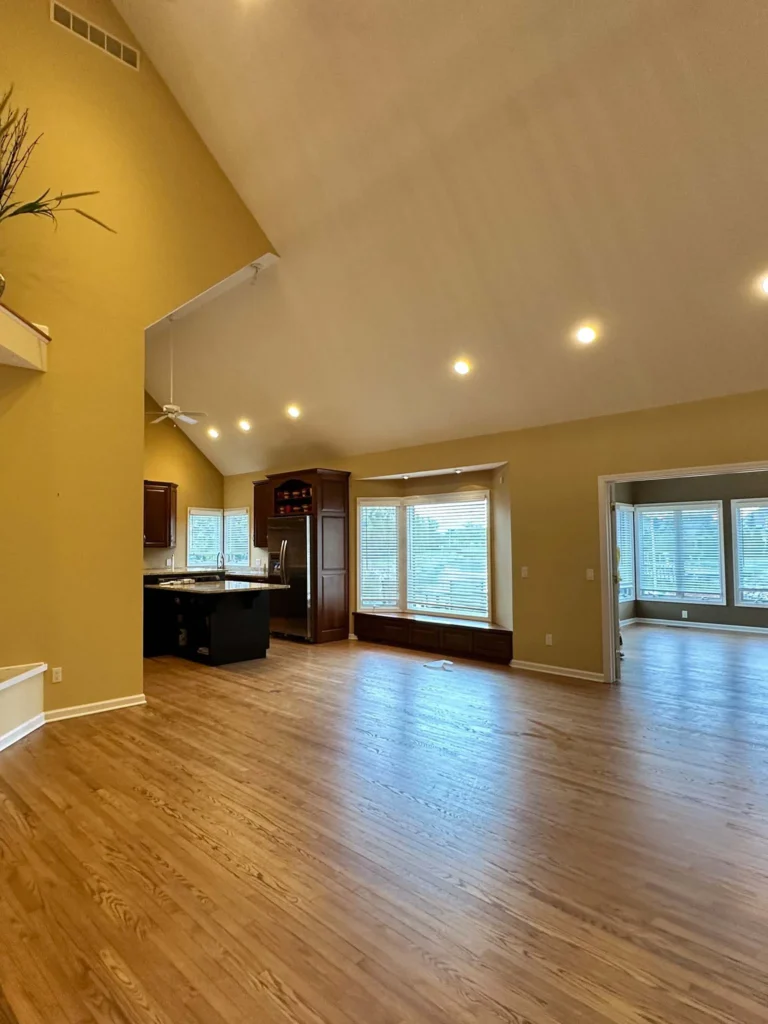
Before a contractor gives you an estimate, they evaluate the job based on measurable conditions. These factors determine whether your project falls on the low or high end of the pricing spectrum. To understand how much does it cost to paint a room, you need to look at these details closely.
1. Room Size and Ceiling Height
The most important variable in calculating painting costs is workload. More surface area equals more labor and more materials.
What affects pricing
- Total square footage of the walls.
- Additional square footage for ceilings if included.
- Higher ceilings that require ladders or scaffolding.
- Room layout complexity like multiple doors, windows, or cutouts.
Rooms with higher ceilings take longer to prep and paint. Simple square rooms with minimal trim are usually more affordable because painters can move faster.
2. Wall Condition and Required Repairs
A fresh coat of paint cannot hide structural imperfections. Professional painters take time to repair issues before applying the first coat, which impacts cost.
Common repairs include
- Filling nail holes.
- Skim coating rough areas.
- Fixing dents or cracks.
- Sanding glossy walls for proper adhesion.
- Repairing minor drywall damage.
If your walls are in great shape, your price goes down. If they require extra prep, the painter must allocate more time.
3. Type and Quality of Paint
The quality of paint you choose affects durability, appearance, and the total price. It also influences how many coats the painter must apply.
Common options include
- Standard grade interior paint.
- Premium paint with higher coverage.
- Zero VOC and low VOC paints.
- Washable, high durability paints for kids’ rooms or kitchens.
Top tier products cost more upfront but save money in the long run by lasting longer and resisting wear. When calculating how much does it cost to paint a room, paint selection plays a significant role.
How Painters Typically Calculate Their Pricing
Every company has its own method, but professional painters follow consistent principles to build accurate estimates. Understanding the structure helps you see where your money is going.
Labor, Materials, and Project Scope
Painters often break pricing into three measurable areas.
Labor
This is the biggest portion of your investment. Labor covers setup, prep, priming, painting, cleanup, and walk through inspection. Experienced painters deliver precise lines, smooth finishes, and clean cut-ins, which takes skill and time.
Materials
Material costs include:
- Paint
- Primer
- Caulk
- Tape
- Plastic and drop cloths
- Sandpaper
- Rollers and brushes
Higher end materials increase the final number but produce better results.
Scope of Work
This determines exactly what is included, such as:
- Walls only
- Walls and ceilings
- Walls, ceiling, and trim
- Doors and closets
- Accent walls
The more surfaces included, the more time and product required.
Additional Cost Considerations
Sometimes, homeowners forget the smaller details that add to the final price. These include:
- Moving furniture.
- Removing wallpaper.
- Fixing water damage.
- Painting textured walls.
- Applying specialty finishes like matte or semi gloss.
These factors can raise the budget but are essential for a complete and lasting finish.

Average Room Painting Costs by Room Type
Not every room is created equal. Some require more precision, more prep work, or more product. To help homeowners evaluate how much does it cost to paint a room, here is how different room types typically compare.
Bedrooms, Living Rooms, and Home Offices
These are the most common spaces homeowners repaint. They tend to be straightforward unless the room has vaulted ceilings or elaborate trim.
Contributing price factors
- Number of windows.
- Condition of walls.
- Whether ceilings are included.
- Whether closets are included.
- Type of finish selected.
Large living rooms often take longer because of their size, while bedrooms with closets require extra cutting in.
Kitchens and Bathrooms
These rooms usually cost slightly more per square foot due to unique conditions inside the home.
Price influencers include
- Humidity levels requiring mildew resistant paint.
- Cabinet edges and detailed trim.
- Multiple cut in areas around appliances.
- Extra prep due to cooking residue or steam buildup.
Even though kitchens and bathrooms are smaller, the detailed work raises the price.
Children’s Rooms and High Traffic Areas
These spaces see more wear, meaning homeowners often request durable, washable finishes.
These areas often require
- Extra sanding for scuff marks.
- Additional coats for longevity.
- Stronger finishes like satin or semi gloss.
Because durability is a priority, the materials selected directly impact cost.
How Paint Quality Changes Your Total Budget
When searching for how much does it cost to paint a room, many homeowners underestimate how much paint quality affects the entire project. The right paint can transform both the finish and the longevity of your space.
Understanding the Value of Premium Paint
Higher quality paints offer clear advantages that justify their price.
Better Coverage
Premium paints spread more evenly and often require fewer coats. This reduces labor time and results in a cleaner finish.
Longer Lifespan
High grade paint lasts several years longer than budget paint, staying vibrant without fading or chipping.
Easier Maintenance
Washable or scrub resistant formulas are ideal for hallways, living rooms, and kids’ rooms.
Improved Appearance
Better pigments provide smoother color with fewer roller or brush marks.
Choosing higher quality paint may increase the initial estimate, but it delivers better long-term value. Professional companies like Trucoat Painting help homeowners choose the right product for each room.
Book Free estimate now!
Schedule a free estimate with our experts at Trucoat Painting Plus to gain insights on your cabinet painting project.
Ways Homeowners Can Reduce Painting Costs
You can get high quality results and still lower your budget with some thoughtful preparation. Many homeowners are surprised at how much they can save by understanding the process.
Smart Strategies That Lower Project Costs
Here are practical ways to reduce what you spend without losing quality.
1. Prepare the Room Before the Painters Arrive
Moving furniture, removing wall decor, and clearing the space helps painters start immediately.
2. Repair Minor Issues Yourself
If you are comfortable filling small nail holes or sanding rough spots, you can trim part of the prep time.
3. Choose a Simple Color
Accent walls or dramatic color changes require more coats.
4. Stay with a Similar Color
Painting over a similar shade often requires fewer coats, lowering material and labor needs.
5. Use a Washable Finish in High Traffic Rooms
This prevents the need for frequent repaints, saving costs long term.
When Cutting Costs May Hurt the Final Result
Some cost saving shortcuts often lead to problems like uneven finishes and premature wear. Avoid:
- Hiring the cheapest contractor with no references.
- Using low quality paint that fades quickly.
- Skipping primer when the surface requires it.
- Overlooking wall repairs.
High quality work protects your home and prevents costly repaints.
Conclusion
Now that you have a clear breakdown of the factors that determine how much does it cost to paint a room, you can make smarter decisions and invest in a finish that looks great and lasts. Pricing varies based on room size, condition, paint type, labor hours, prep work, and the complexity of the project. When you evaluate all these pieces together, the estimate makes sense and helps you plan your budget confidently.
Experienced professionals like the team at Trucoat Painting deliver reliable workmanship, detailed prep, and finishes that hold up over time. If you want accurate pricing, transparent communication, and a result you can trust, working with a reputable company makes all the difference. Trucoat Painting ensures every step is handled with care, from consultation to final inspection.
In the end, understanding how much does it cost to paint a room empowers you to choose the right approach, the right products, and the right professionals. When the project is done correctly, a freshly painted room adds comfort, personality, and long term value to your home.