$500 Off Cabinet Painting
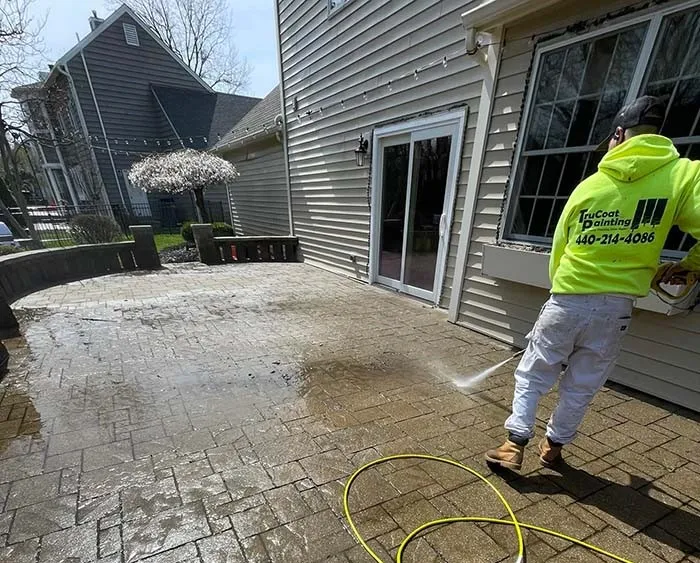
Power washers are a homeowner’s secret weapon. Imagine transforming your grimy patio into a pristine space ready for summer gatherings or revitalizing your home’s exterior to its original luster. Whether you’re a seasoned pro or a complete novice, you’ll discover practical insights that make power washing a breeze.
Basics of Power Washing
Power washing involves much more than simply blasting water at high pressure. It’s about using the proper technique and equipment to clean surfaces effectively. At its core, a power washer uses a motor to pump water through a hose and out of a nozzle, generating a powerful spray. This force can dislodge dirt, grime, and mold from surfaces, leaving them spotless.
For homeowners, power washers are versatile tools. You can use them on various surfaces, including decks, driveways, and siding. However, it’s crucial to understand the differences in power washers to ensure you’re using the right one for your specific task. For instance, gas-powered models offer more power and mobility, which is ideal for large areas, while electric models are perfect for smaller, less demanding jobs.
When choosing a power washer, consider the ratings of PSI (pounds per square inch) and GPM (gallons per minute). These numbers indicate the machine’s cleaning power and water usage. Higher PSI and GPM ratings mean more cleaning power but require more water. A mid-range model with around 2000-3000 PSI and 2-3 GPM is sufficient for most household tasks.
Choosing the Right Power Washer for Your Needs
Selecting a suitable power washer is critical to achieving the best results. For homeowners, the choice between gas and electric models often boils down to the size and nature of the cleaning job. Gas-powered washers are more robust and are best suited for heavy-duty tasks like cleaning large driveways, patios, and stubborn stains. These models, however, require more maintenance and are typically louder.
On the other hand, electric power washers are quieter and easier to maintain. They’re perfect for smaller, less demanding tasks such as washing cars, windows, and furniture. Electric models are also lighter and easier to maneuver, making them a favorite among many DIY enthusiasts.
Price is another factor to consider. While gas models are generally more expensive due to their power and capabilities, electric models offer a more budget-friendly option without sacrificing cleaning efficiency. Always read reviews and check for warranty coverage to ensure you’re purchasing a reliable machine.
Setting Up Your Power Washer
Proper setup is essential before you start power washing to ensure safety and efficiency. Begin by reading the user manual provided by the manufacturer, which will guide you on assembly and operation specifics for your model. Familiarize yourself with the various components, such as the hose, nozzle, and detergent tank.
Next, inspect the power washer for any visible damage or loose parts before use. Connect the water supply hose to your home’s water outlet, ensuring it’s securely attached to prevent leaks. Check the fuel level for gas-powered models and for electric models, and ensure you have access to an appropriate power source.
Select the right nozzle for the job. Power washers come with various nozzle tips, usually indicated by color, which determine the angle and pressure of the water stream. A wider angle, like a 40-degree nozzle, is suitable for general cleaning, while narrower tips provide more concentrated pressure for tough stains. Remember, always start with a wider angle to prevent surface damage.
Book Free estimate now!
Schedule a free estimate with our experts at Trucoat Painting Plus to gain insights on your cabinet painting project.
Precautions When Using a Power Washer
Power washers are powerful tools and must be used cautiously to ensure safety. Always wear protective gear, including goggles and gloves, to protect against flying debris and accidental spray. Non-slip footwear is also recommended to prevent falls, especially when working on wet surfaces.
Be mindful of your surroundings. Make sure pets and children are indoors or at a safe distance from the power washing area. Avoid pointing the spray at people, animals, or delicate items such as glass windows or electrical outlets. The high-pressure stream can cause injury and damage.
Additionally, never use a power washer while standing on a ladder. The force of the spray can easily throw you off balance. Instead, use extension wands to reach high places or hire a professional for particularly challenging tasks.
Power Washing Different Surfaces
Different surfaces require different power washing techniques to avoid damage and ensure effective cleaning. For example, to prevent streaks, work from the bottom up when washing your home’s siding. Keep the nozzle at a 45-degree angle and maintain a consistent distance from the surface, typically about 12 to 18 inches.
Decks and patios often have stubborn stains and moss build-up. Use a broader nozzle to cover a larger area efficiently and reduce the risk of gouging the wood. Move-in sweeping motions along the wood grain to prevent damage.
A higher PSI setting can be used for concrete driveways. Begin at one end and work across overlapping sections to ensure even cleaning. Stubborn oil stains may require a detergent specifically designed for concrete surfaces.
Detergents and Cleaners
While water alone can handle most tasks, certain stains and surfaces benefit from detergents or cleaners. Many power washers have a built-in detergent tank or an attachment for soap application. Always use a detergent recommended by the manufacturer to avoid damaging the machine or cleaning the surface.
Apply detergent with a low-pressure nozzle, allowing it to soak for a few minutes to break down dirt and grime. After application, switch back to a high-pressure nozzle to rinse thoroughly. Be sure to rinse all areas well to remove any soap residue, which can attract dirt if left behind.
For eco-friendly cleaning, consider using biodegradable detergents that are gentle on the environment but tough on dirt. These are especially useful for gardens and areas where runoff might affect plants.
Common Issues
Even with the best care, power washers can encounter issues. Common problems include loss of pressure, leaks, and difficulty starting. If you experience a pressure drop, the first step is to check the nozzle for clogs. Cleaning or replacing the nozzle can often resolve this issue.
Loose connections or damaged hoses typically cause leaks. Examine all connections and tighten them as needed. If a hose is cracked, it’s best to replace it to prevent further damage.
For gas models, difficulty starting might be due to old fuel or clogged air filters. Regularly replace fuel and clean the air filter to ensure smooth operation.
Advanced Power Washing Techniques
Once comfortable with basic power washing, explore advanced techniques to tackle more specialized tasks. For example, consider using a surface cleaner attachment for large flat areas, which provides even coverage and prevents streaking.
Switch to a rotating nozzle for detailed work, such as cleaning intricate brickwork or stone. This tool combines the power of a narrow spray with the coverage of a wider angle, making it ideal for challenging areas.
Experiment with different pressure settings and nozzle angles to find the best combination for each surface. Advanced techniques can save time and ensure a thorough cleaning.
Conclusion
Power washing is an invaluable tool for maintaining your home’s exterior. It is quick and effective at tackling dirt and grime.
Remember to choose the suitable machine for your needs, follow safety precautions, and maintain your equipment regularly. With these tips, you’ll keep your surfaces sparkling clean and extend the life of your power washer.