$500 Off Cabinet Painting
Ladder accidents are one of the most common causes of injuries during exterior painting, home maintenance, and renovation projects. Most of these accidents do not happen because the ladder is defective. They happen because the ladder is set up incorrectly. One question comes up repeatedly among homeowners and professionals alike, what is the ratio for setting up an extension ladder, and why does it matter so much?
The correct setup ratio is not a guess, a preference, or a personal habit. It is a proven safety standard based on physics, real jobsite data, and decades of field experience. When you understand the ratio and apply it correctly, ladder stability improves immediately. When you ignore it, even the best ladder becomes a liability.
This blog explains the correct ladder ratio, how to measure it accurately, how ground conditions affect safety, and why professional painters never cut corners when working at height.
Understanding the Standard Ladder Setup Ratio
What Is the Ratio for Setting Up an Extension Ladder
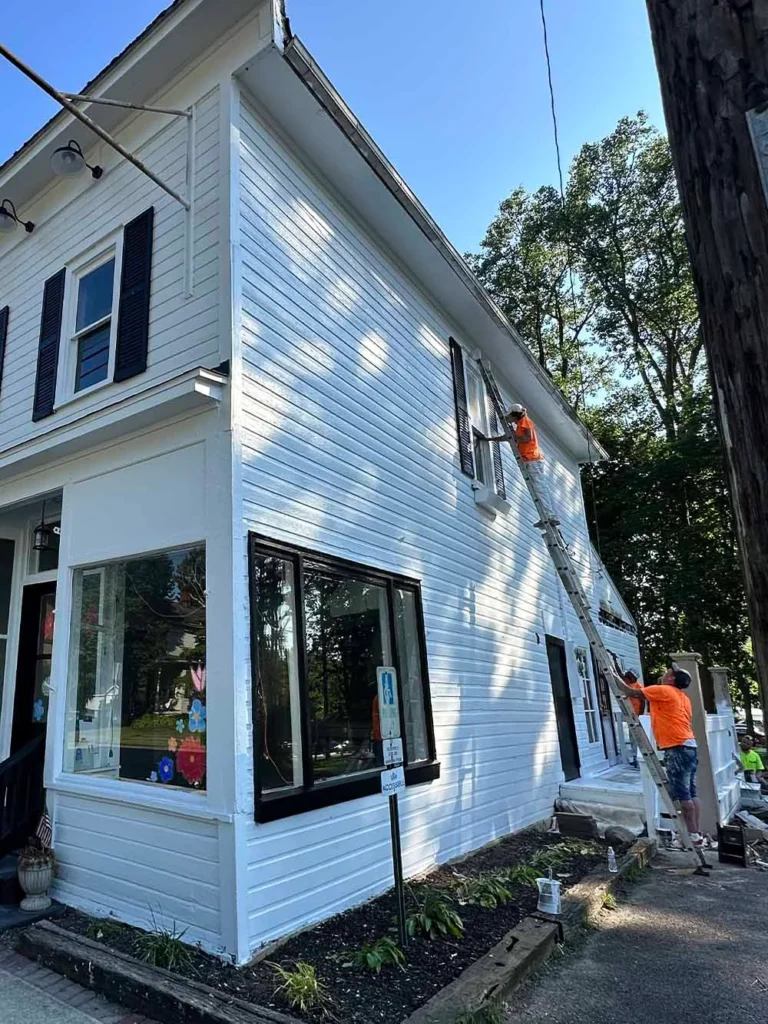
The correct ratio for setting up an extension ladder is 4 to 1. That means for every four feet of vertical height, the base of the ladder should be placed one foot away from the surface it rests against.
Examples make this easier to understand
- If the ladder touches the wall at 12 feet, the base should be 3 feet away.
- If the ladder reaches 16 feet, the base should be 4 feet away.
- If the ladder reaches 20 feet, the base should be 5 feet away.
This ratio creates an angle of approximately 75 degrees, which is widely recognized as the safest climbing angle for extension ladders.
This standard is supported by OSHA guidelines, ladder manufacturers, and professional trade organizations. It exists because it reduces the two most common ladder failures, backward tipping and base slippage.
Why This Ratio Works in Real Conditions
The 4 to 1 ratio works because it balances forces correctly. When a ladder is climbed, the climber’s weight pushes downward and outward. If the ladder is too steep, most of that force pushes backward, increasing the risk of tipping. If the ladder is too shallow, outward force increases, making the base more likely to slide.
The correct ratio distributes force evenly between
- The ladder rails.
- The wall or surface contact point.
- The ground beneath the base.
This balance is what keeps the ladder stable when climbing, working, and descending.
How Professionals Measure the Ratio Accurately
Experienced painters and contractors do not rely on guesswork. They use repeatable methods to confirm ladder placement before climbing.
Common professional methods include
1. Tape measure method
Measure the height from the ground to where the ladder touches the wall. Divide that number by four. The result is the correct distance for the base.
2. Arm reach method
Stand with your toes touching the ladder’s base. Extend your arms straight forward at shoulder height. Your palms should rest comfortably on a rung. If they do, the angle is close to correct.
3. Manufacturer rung spacing method
Some ladders are designed so each rung represents roughly one foot of height. By counting rungs and adjusting the base accordingly, painters can fine tune placement.
The ladder must match the 4 to 1 ratio before anyone climbs it.
Ground Conditions That Directly Affect Ladder Safety
Even if you follow the correct ratio, ladder safety depends heavily on what the ladder rests on. Ground conditions can either support stability or destroy it.
Professional painters inspect the surface before setting the ladder. Homeowners often skip this step, which leads to preventable accidents.
Safe surfaces include
- Solid concrete.
- Level asphalt.
- Compact soil that is dry and firm.
Unsafe surfaces include Wet grass
- Loose gravel.
- Mud or soft soil.
- Ice or snow.
If the ground is uneven, ladder levelers or adjustable feet should be used. Placing scraps of wood, bricks, or debris under one side of the ladder is never a safe solution.
How Ladder Height Changes Risk Levels
The higher the ladder, the less margin for error. A small angle mistake at six feet may go unnoticed. That same mistake at twenty feet can cause serious injury.
As ladder height increases
- Force at the base increases.
- Side to side movement becomes more noticeable.
- Overreaching becomes more dangerous.
Professional painters adjust ladder placement carefully for tall structures, especially two story homes and steep rooflines.
Additional height related safety rules include
- Extending the ladder at least three feet above roof edges.
- Maintaining proper overlap between ladder sections.
- Locking extension mechanisms before climbing.
Ignoring these steps weakens the ladder’s structure and increases the chance of sudden movement.
Book Free estimate now!
Schedule a free estimate with our experts at Trucoat Painting Plus to gain insights on your cabinet painting project.
Common Ladder Setup Mistakes and Why They Happen
Most ladder accidents do not involve equipment failure. They involve rushed decisions.
Frequent mistakes include
- Placing the ladder too close to the wall to save space.
- Leaning the ladder against gutters instead of solid siding.
- Failing to check if the ground shifts under weight.
- Carrying tools in one hand while climbing.
Each of these mistakes disrupts balance and increases fall risk. Understanding what is the ratio for setting up an extension ladder eliminates the most common of these errors before the climb begins.
Why Professional Painters Follow Ladder Standards Strictly
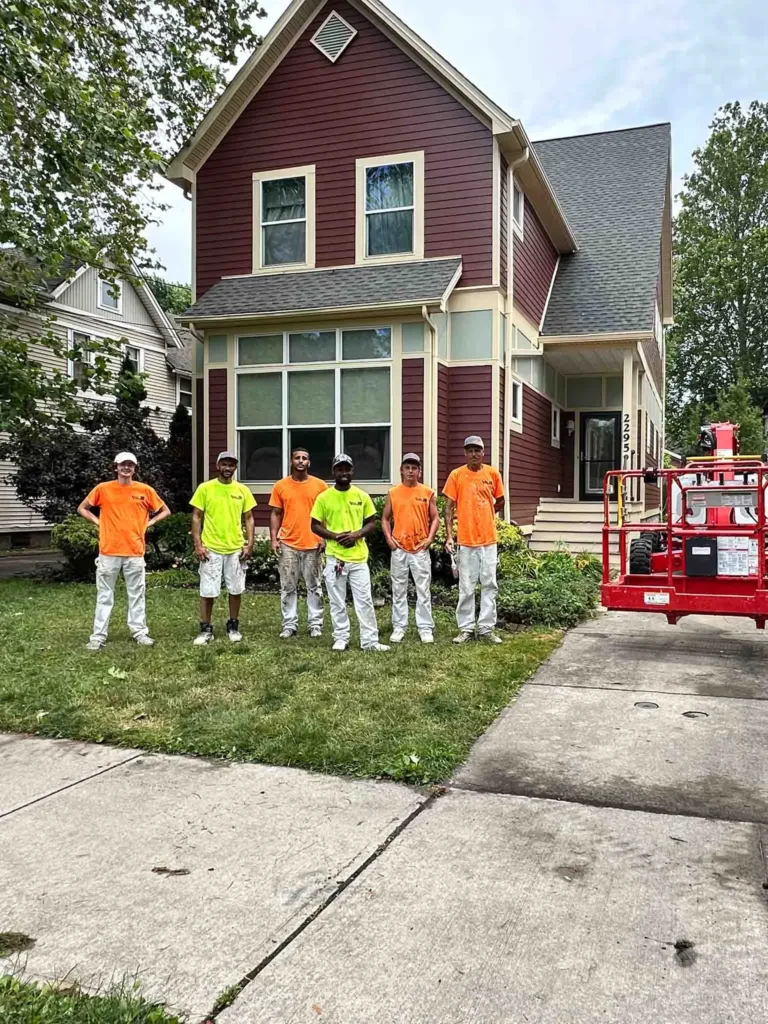
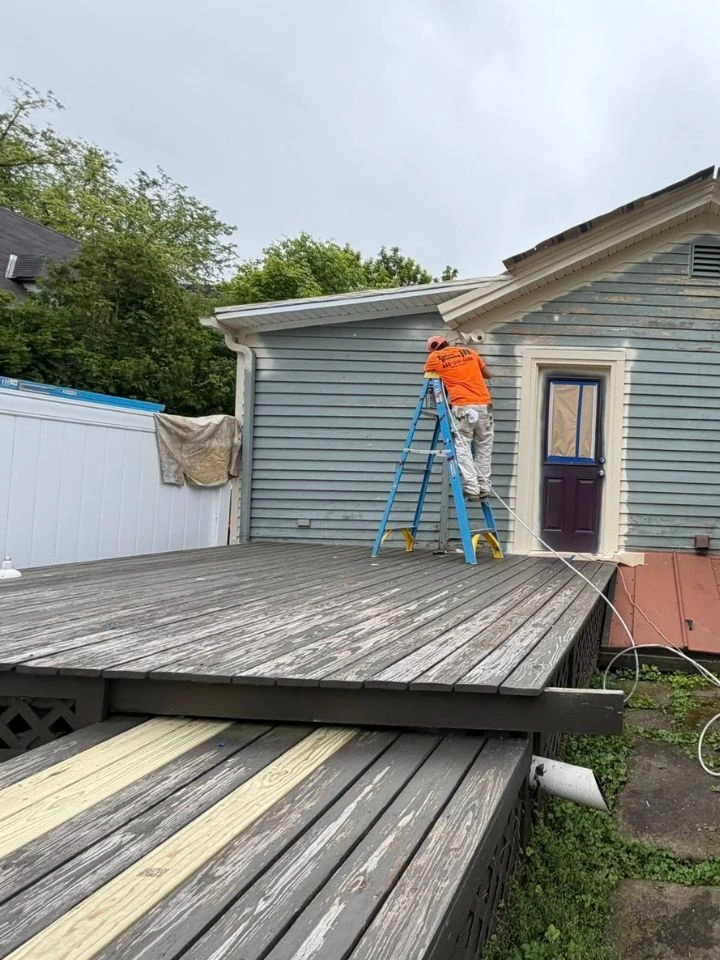
At Trucoat Painting, ladder setup is treated as a skill, not an afterthought. Exterior painting requires repeated climbing, repositioning, and extended time at height. Without strict safety standards, even experienced painters would be exposed to unnecessary risk.
Professional crews follow ladder standards because
- Stability improves work quality.
- Safe footing allows better control of tools.
- Reduced risk protects both workers and property.
A ladder that feels solid allows painters to focus on surface preparation, paint coverage, and clean lines. That confidence shows in the finished result.
Additional Ladder Safety Practices Used on Job Sites
Beyond the correct ratio, professional painters rely on consistent habits that increase safety.
Key practices include
- Maintaining three points of contact at all times.
- Keeping hips centered between ladder rails.
- Facing the ladder while climbing.
- Avoiding overreaching to the side.
These habits may seem basic, but they prevent many falls that happen during routine tasks.
Book Free estimate now!
Schedule a free estimate with our experts at Trucoat Painting Plus to gain insights on your cabinet painting project.
Weather Conditions and Ladder Setup
Weather plays a major role in ladder safety. Professional painters plan exterior work around conditions that affect traction and balance.
Unsafe conditions include
- Rain or morning dew.
- High winds.
- Extreme heat that causes fatigue.
Wet rungs and slippery ground make even a properly angled ladder dangerous. In these conditions, professional crews delay work rather than take unnecessary risks.
When an Extension Ladder Is Not the Best Choice
An extension ladder is not always the safest or most efficient option. Professionals assess the task before choosing equipment.
Situations where alternatives are safer include
- Long duration work in one area.
- Wide surfaces that require frequent movement.
- Uneven terrain that cannot be stabilized.
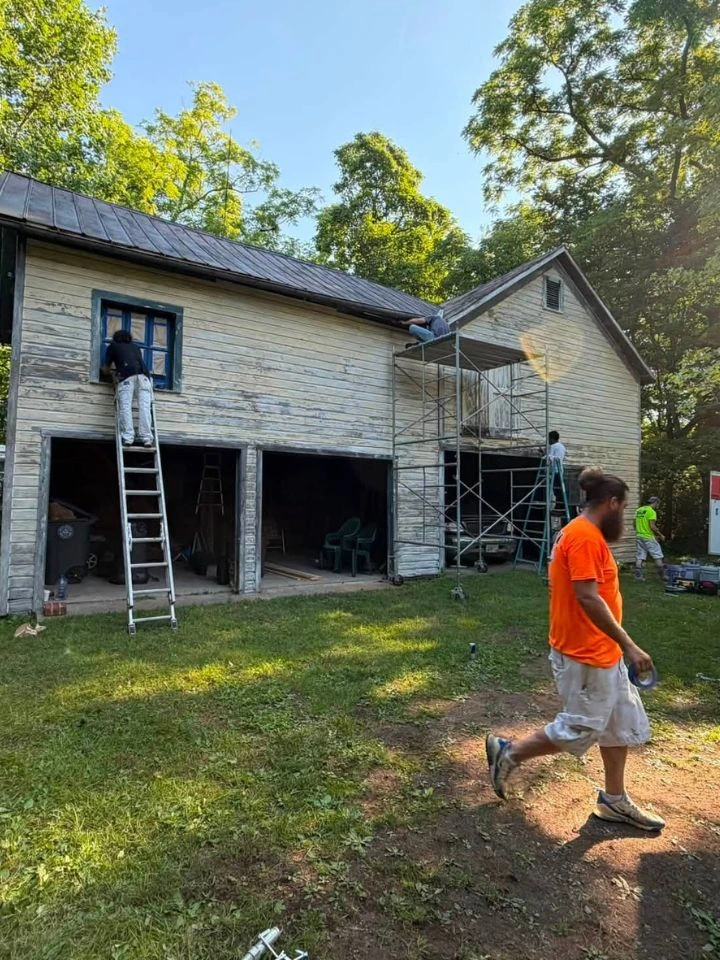
In these cases, scaffolding or lift equipment provides better support and reduces strain. Choosing the right tool is part of professional judgment and experience.
Why Homeowners Should Take Ladder Safety Seriously
Falls from ladders often result in injuries that require medical attention, time off work, and long recovery periods. Many of these injuries happen during short, routine projects.
Understanding what is the ratio for setting up an extension ladder helps homeowners decide when a project is manageable and when it is better to call professionals.
Exterior painting, especially on multi story homes, demands repeated climbing and precise movement. That level of exposure increases risk for anyone without professional training.
The Role of Experience in Ladder Safety
Experienced painters develop an instinct for ladder placement, but that instinct is built on rules, not shortcuts. The 4 to 1 ratio is followed on every job because it works across surfaces, heights, and conditions.
This consistency is what keeps professional crews safe year after year.
Conclusion
Knowing what is the ratio for setting up an extension ladder is one of the most important safety fundamentals in exterior work. The 4 to 1 ratio exists because it has been tested in real environments, under real loads, and over decades of use.
Correct ladder setup protects people, property, and project timelines. It allows work to proceed with confidence and control.
If working at height feels uncertain or uncomfortable, that is a sign to involve professionals who handle these risks every day. Trucoat Painting approaches every exterior project with experience, precision, and respect for safety standards because quality work always starts with a stable foundation.