$500 Off Cabinet Painting
Stucco cracks are common, but ignoring them can lead to water intrusion, mold growth, surface damage and expensive exterior repairs. The good news is that many stucco cracks can be repaired successfully with the right materials, proper preparation and an understanding of why the cracks formed in the first place.
Key Facts About Stucco Crack Repair
| Small hairline cracks | Often repaired with high quality elastomeric caulk or stucco patch. |
| Larger cracks | Usually require patching compound, mesh reinforcement and texture matching. |
| Common causes | Foundation movement, moisture, improper installation and temperature changes. |
| Best weather for repair | Dry conditions between 50°F and 85°F. |
| DIY or professional | Minor cracks are manageable for homeowners, structural cracks need professional evaluation. |
| Biggest mistake | Painting over cracks without repairing the underlying issue. |
Stucco remains one of the most durable and attractive exterior finishes used on homes across the United States. However, even high quality stucco systems can develop cracks over time due to settling, weather exposure and structural movement. Learning how to repair stucco cracks properly helps protect your home from moisture damage while preserving curb appeal and long term value.
Many homeowners make the mistake of treating stucco cracks as purely cosmetic problems. In reality, some cracks are warning signs of deeper issues. Understanding the difference between harmless hairline cracking and serious structural damage is the first step toward making the right repair decisions.
This blog explains how to repair stucco cracks correctly, what materials work best, when to call a professional and how to prevent future cracking.
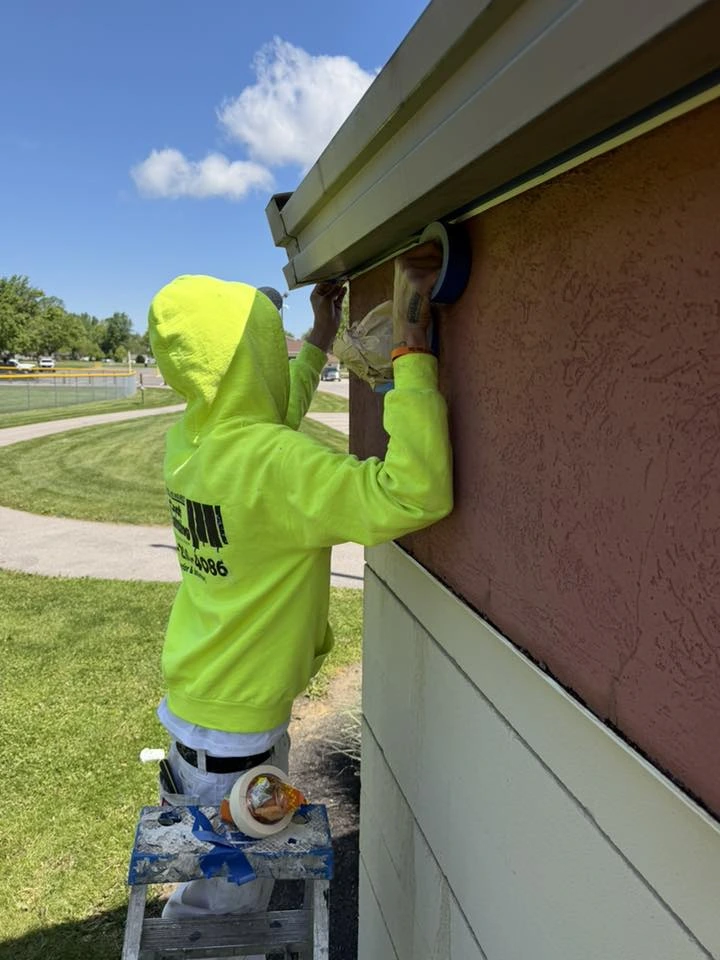
Understanding Why Stucco Cracks Happen
Stucco is a cement based exterior finish that naturally expands and contracts with temperature changes. While it is extremely durable, it is not completely immune to movement and environmental stress.
Common Causes of Stucco Cracks
Several factors can contribute to cracking:
- Natural settling of the home.
- Moisture intrusion behind the stucco.
- Poor installation practices.
- Improper curing during application.
- Temperature fluctuations.
- Seismic movement.
- Foundation shifting.
- Impact damage.
- Lack of expansion joints.
Hairline cracks are relatively common and are often caused by normal curing or seasonal movement. Wider cracks, stair step cracks or cracks around windows and doors may indicate larger structural or moisture related concerns.
Different Types of Stucco Cracks
Not every crack requires the same repair method. Identifying the type of crack matters.
1. Hairline Cracks
These are very thin surface cracks that typically measure less than 1/16 inch wide. They are often cosmetic and usually manageable with flexible sealants or elastomeric coatings.
2. Pattern Cracks
Pattern cracking can resemble spiderwebs or maps across the stucco surface. This usually points to improper application or curing during installation.
3. Structural Cracks
Larger horizontal, diagonal or stair step cracks can signal movement in the structure itself. These cracks should never be ignored.
4. Moisture Related Cracks
Cracks accompanied by staining, bubbling paint, soft spots or mold growth may indicate trapped moisture behind the stucco system.
Signs Your Stucco Damage May Be Serious
Watch for these warning signs:
- Cracks wider than 1/8 inch.
- Bulging stucco areas.
- Water stains indoors.
- Soft or crumbling sections.
- Mold or mildew growth.
- Repeated cracking in the same area.
- Cracks near windows and doors.
- Loose stucco separating from the wall.
If you notice these issues, a professional inspection is often the safest choice.
Tools and Materials Needed to Repair Stucco Cracks
Before starting any repair, gather the right tools and products. Using improper materials can cause repairs to fail prematurely.
Basic Tools for Stucco Crack Repair
You may need:
- Wire brush.
- Utility knife.
- Putty knife.
- Margin trowel.
- Caulking gun.
- Spray bottle or hose.
- Bucket for mixing.
- Safety gloves.
- Dust mask.
- Eye protection.
- Paintbrush or roller.
Recommended Repair Materials
The right product depends on the crack size and stucco condition.
1. For Hairline Cracks
- Elastomeric caulk.
- Masonry crack filler.
- Flexible exterior sealant.
2. For Medium Cracks
- Premixed stucco patch.
- Acrylic stucco repair compound.
- Cement based patch material.
3. For Larger Repairs
- Stucco base coat.
- Fiberglass mesh.
- Finish coat material.
- Exterior primer and paint.
Choosing exterior grade products designed specifically for stucco applications is critical for durability.
Why Surface Preparation Matters
One of the biggest reasons stucco repairs fail is poor preparation. Dirt, loose debris, moisture and chalky surfaces prevent proper bonding.
Proper preparation allows the repair material to adhere correctly and move naturally with the stucco surface over time.
Weather Conditions for Successful Repairs
Ideal repair conditions include:
- Mild temperatures.
- Low humidity.
- Dry surfaces.
- No rain forecast for at least 24 hours.
Extreme heat or direct sunlight can cause patch materials to dry too quickly and crack again.
Book Free estimate now!
Schedule a free estimate with our experts at Trucoat Painting Plus to gain insights on your cabinet painting project.
Step by Step Guide on How to Repair Stucco Cracks
Homeowners searching for how to repair stucco cracks often want a clear process they can follow safely and effectively. The exact method depends on crack size, but the repair principles remain similar.
Step 1: Inspect the Crack Carefully
Before repairing anything, determine whether the crack is cosmetic or structural.
Small hairline cracks may only require flexible sealant. Large or shifting cracks may need professional evaluation first. Pay attention to:
- Crack width.
- Crack pattern.
- Signs of moisture.
- Soft surrounding stucco.
- Movement near windows or doors.
If the crack keeps returning after repair, deeper structural movement may exist.
Step 2: Clean the Damaged Area
Use a wire brush or utility knife to remove:
- Loose stucco
- Dirt
- Dust
- Old paint
- Debris
Cleaning helps create a solid bonding surface. After brushing, rinse lightly with water and allow the area to become slightly damp before applying cement based materials. Stucco absorbs moisture quickly and dry surfaces can pull water out of repair compounds too fast.
Step 3: Widen Small Cracks Slightly
This may sound counterintuitive, but slightly widening narrow cracks creates a better channel for repair material.
A shallow V shaped groove helps the patch bond more securely instead of sitting only on the surface.
Step 4: Apply the Appropriate Repair Material
1. For Hairline Cracks
Use elastomeric caulk or masonry sealant. Apply a smooth bead directly into the crack and tool it flat with a putty knife or finger.
Flexible sealants work well because they can move with the stucco during seasonal expansion and contraction.
2. For Medium Cracks
Use a stucco patch compound. Steps include:
- Apply the patch material with a putty knife.
- Press firmly into the crack.
- Smooth the surface evenly.
- Match the surrounding texture as closely as possible.
Some repairs may require multiple thin layers rather than one thick application.
3. For Larger Cracks
Larger cracks often need reinforcement. The process may include:
- Embedding fiberglass mesh.
- Applying a base coat.
- Adding a finish coat.
- Matching the existing texture.
This type of repair requires patience because each layer must cure properly before adding the next.
Step 5: Texture Matching
Texture matching is one of the most challenging parts of stucco repair. Common stucco textures include:
- Smooth finish.
- Sand finish.
- Lace texture.
- Dash finish.
- Skip trowel texture.
Professionals often use specialized techniques to blend repairs invisibly into the surrounding wall. Homeowners can practice on scrap material before applying texture directly to visible surfaces.
Step 6: Allow Proper Curing Time
Cement based products require curing, not just drying. Avoid rushing the process.
Depending on weather conditions and material type, curing may take anywhere from 24 hours to several days. Premature painting or moisture exposure can weaken the repair.
Step 7: Prime and Paint the Surface
After repairs cure fully, apply:
- Masonry primer.
- High quality exterior paint.
- Elastomeric coating if recommended.
Matching the existing color can be difficult due to fading and weather exposure. Sometimes repainting the entire wall section produces the most consistent appearance.
Learning how to repair stucco cracks correctly helps homeowners avoid repeated repairs and long term moisture problems.
Book Free estimate now!
Schedule a free estimate with our experts at Trucoat Painting Plus to gain insights on your cabinet painting project.
When to Call a Professional Stucco Contractor
Some stucco issues go beyond cosmetic repair. Knowing when to hire an expert can save significant money and structural damage later.
Situations That Require Professional Help
Call a professional if you notice:
- Large diagonal cracks.
- Repeated cracking after repairs.
- Water leaks indoors.
- Soft sheathing behind stucco.
- Mold growth.
- Bulging or detached stucco.
- Foundation movement signs.
A professional contractor can determine whether the damage is surface level or connected to underlying structural concerns.
Moisture Intrusion Is a Serious Concern
Water intrusion is one of the most damaging stucco problems. Moisture trapped behind stucco can lead to:
- Rotting wood framing.
- Mold growth.
- Insulation damage.
- Structural deterioration.
Professional moisture testing may be necessary when signs of hidden water damage appear.
Benefits of Professional Stucco Repair
Experienced contractors bring:
- Proper diagnostic skills.
- Texture matching expertise.
- Moisture detection tools.
- Knowledge of building envelope systems.
- Long lasting repair techniques.
Companies like Trucoat Painting Plus understand how exterior surfaces perform in real world conditions and how climate affects stucco durability over time.
Questions to Ask Before Hiring a Stucco Contractor
Important questions include:
- What caused the cracking?
- Is moisture testing necessary?
- What repair method will be used?
- How will texture matching be handled?
- Is there a warranty?
- Will the repair address the root cause?
A trustworthy contractor explains the process clearly instead of offering vague promises.
Book Free estimate now!
Schedule a free estimate with our experts at Trucoat Painting Plus to gain insights on your cabinet painting project.
Preventing Future Stucco Cracks
Repairing cracks is important, but preventing future damage is equally valuable.
1. Keep Water Away From Stucco
Water management plays a major role in stucco longevity. Maintain:
- Gutters and downspouts.
- Proper grading around the home.
- Window and door flashing.
- Roof drainage systems.
Directing water away from the structure reduces moisture-related stress.
2. Inspect Your Stucco Regularly
Annual inspections help catch problems early. Look for:
- New cracks.
- Staining.
- Bubbling paint.
- Caulk failure.
- Surface separation.
Early intervention usually means simpler and less expensive repairs.
3. Use High Quality Paint and Coatings
Exterior coatings provide an important protective barrier. Elastomeric coatings can help bridge minor hairline cracks while improving water resistance. However, coatings should never replace proper repairs when larger damage exists.
4. Address Structural Issues Quickly
If foundation movement or settling is contributing to cracking, cosmetic repairs alone will not solve the problem. Consulting structural professionals may be necessary in severe cases.
5. Avoid DIY Shortcuts
One of the biggest mistakes homeowners make is simply painting over cracks. Without proper preparation and repair:
- Cracks often return.
- Water infiltration continues.
- Damage spreads underneath the surface.
Taking the time to repair stucco correctly protects both appearance and structural integrity.
Trucoat Painting Plus has seen firsthand how proactive maintenance helps homeowners avoid costly exterior restoration projects down the road.
Conclusion on How to Repair Stucco Cracks
Understanding how to repair stucco cracks properly allows homeowners to protect their property, maintain curb appeal and prevent long term structural damage.
Small cosmetic cracks are common and often manageable with proper materials and preparation. Larger cracks, moisture issues or recurring damage should always be evaluated carefully to avoid hidden problems developing behind the stucco system.
The most successful repairs focus on more than appearance alone. They address the root cause of the cracking, use compatible materials and follow proven repair methods that allow the stucco system to continue performing under changing environmental conditions.
Whether you handle minor repairs yourself or work with experienced professionals, taking stucco cracks seriously is one of the smartest ways to preserve the value and durability of your home for years to come.