$500 Off Cabinet Painting
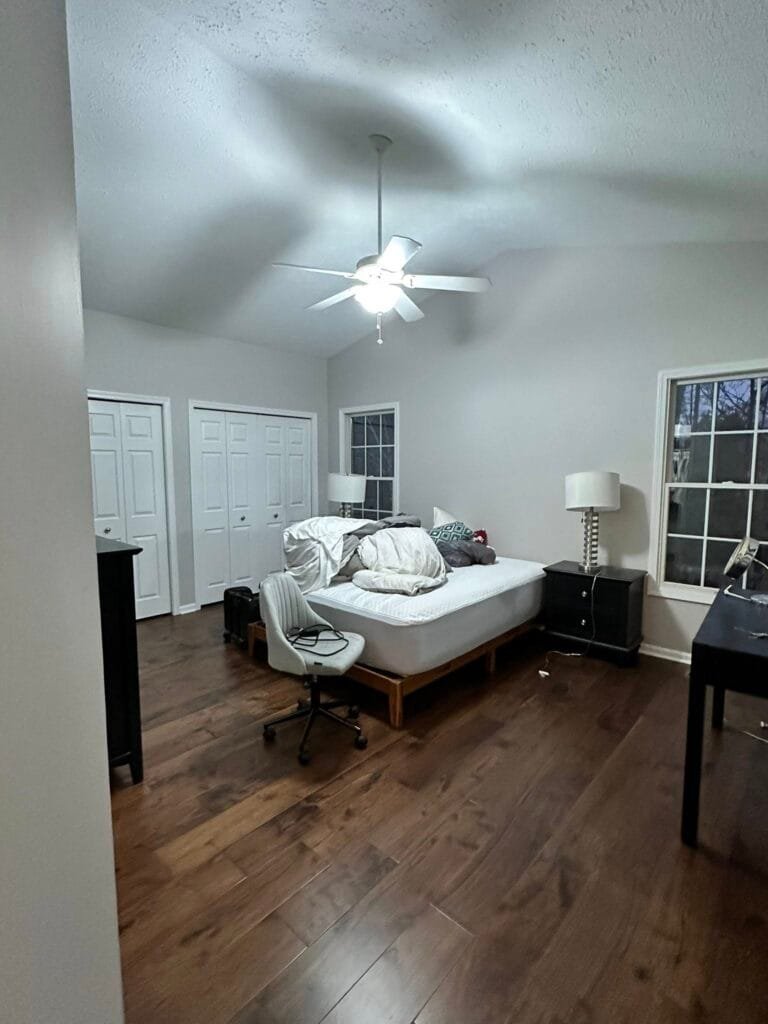
Painting the ceiling the same color as the walls is a design choice that directly affects how a room looks, feels, and functions. Many homeowners still assume ceilings should always be white, but that approach does not work equally well in every space. In residential painting today, ceilings are treated as part of the overall color plan rather than an afterthought.
Understanding the pros and cons of painting ceiling same color as walls helps homeowners make informed decisions based on lighting, ceiling height, room size, and daily use. This blog explains where this approach works well, where it causes issues and how professionals evaluate whether it makes sense for a specific home.
Why Homeowners Are Questioning White Ceilings
White ceilings became common because they reflect light and help hide minor surface flaws. That does not mean they are always the best solution. As homeowners place more value on comfort, cohesion and visual balance, ceiling color has become part of the conversation.
Visual Balance and Room Control
When ceilings match the wall color, the eye reads the space as a whole rather than as separate planes. This changes how the room is experienced.
This approach is often used to
- Reduce strong visual breaks.
- Create a smoother transition from wall to ceiling.
- Support modern or transitional interiors.
- Make architectural elements feel more intentional.
Instead of drawing attention upward, the ceiling supports the overall design.
How Consistent Color Affects Space
One reason the pros and cons of painting ceiling same color as walls matter is how color influences perceived size and shape.
Consistent color can:
- Help small rooms feel more open.
- Reduce the boxed in feeling of lower ceilings.
- Make sloped or angled ceilings feel less dominant.
- Create a calmer visual experience.
This effect is especially noticeable in older homes or spaces with unconventional ceiling lines.
Pros of Painting Ceiling Same Color as Walls
When chosen carefully, this method offers both aesthetic and practical benefits.
Creates a Unified Appearance
Using one color throughout the room gives the space a cohesive look.
Key benefits include
- Fewer visual interruptions.
- Cleaner transitions around corners.
- Greater focus on furniture and lighting.
- A more balanced overall appearance.
This works particularly well in rooms with decorative trim, wall paneling or statement light fixtures.
Improves Flow Between Connected Areas
In homes with open layouts or long hallways, ceiling color plays a major role in continuity.
Matching ceilings and walls can
- Smooth transitions between rooms.
- Prevent abrupt visual stops.
- Help narrow spaces feel wider.
- Support a consistent look throughout the home.
This is a practical solution for stairwells, hallways and connecting rooms.
Simplifies Maintenance and Touch Ups
From a long term maintenance standpoint, fewer paint colors reduce complications.
Homeowners often appreciate
- Easier paint storage.
- Simpler touch up work.
- Consistent aging of surfaces.
- Less risk of visible mismatches.
This matters in busy households or rental properties where repairs are more frequent.
Supports Mood and Comfort
Color influences how a space feels emotionally. When walls and ceilings share the same shade, the effect is more immersive.
This approach is commonly used to
- Create calm bedrooms.
- Support focus in home offices.
- Add warmth to reading rooms.
- Soften bathrooms with controlled lighting.
The ceiling becomes part of the atmosphere instead of standing apart from it.
Book Free estimate now!
Schedule a free estimate with our experts at Trucoat Painting Plus to gain insights on your cabinet painting project.
Cons of Painting Ceiling Same Color as Walls
While there are clear benefits, this choice also comes with challenges that should not be ignored.
Reduced Light Reflection
White ceilings help distribute light evenly. When ceilings match the wall color, light reflection changes.
Possible drawbacks include
- Less light bounces in darker shades.
- Rooms appear dimmer.
- Artificial lighting becoming more noticeable.
- Shadows appear stronger.
Lighting should always be evaluated before making this decision.
Risk of Making a Room Feel Smaller
Color consistency does not automatically make a room feel larger. The outcome depends on shade and lighting.
Problems often occur when
- Dark colors are used in compact rooms.
- Natural light is limited.
- The ceiling height is already low.
- Furniture is heavy or oversized.
This is why the pros and cons of painting ceiling same color as walls must be weighed carefully for each room.
Surface Imperfections Are More Noticeable
Ceilings often contain flaws that are less visible under white paint.
When ceilings match walls
- Drywall seams may show.
- Previous repairs can stand out.
- Hairline cracks become visible.
- Uneven textures are easier to notice.
Thorough preparation becomes essential.
How Color Selection Influences Results
Shade choice plays a major role in whether this technique succeeds or fails.
Light and Neutral Colors
Light colors are the safest option when painting ceilings and walls the same color. They offer:
- Better light distribution.
- Less visual weight.
- Compatibility with most interiors.
- Easier lighting adjustments.
Warm whites, soft grays, and muted neutrals are commonly used for this reason.
Medium and Dark Colors
Darker shades require careful planning. They can:
- Add depth and warmth.
- Create intimate spaces.
- Support focused environments.
They also:
- Absorb more light.
- Require stronger lighting design.
- Demand higher quality surface prep.
These colors work best in bedrooms, offices and accent spaces rather than large common areas.
Book Free estimate now!
Schedule a free estimate with our experts at Trucoat Painting Plus to gain insights on your cabinet painting project.
Rooms Where This Approach Works Well
Some rooms consistently benefit from matching wall and ceiling colors.
Bedrooms and Sleeping Areas
Bedrooms prioritize comfort over brightness. Matching colors:
- Create a calm environment.
- Reduce visual distractions.
- Support relaxation.
Soft, warm tones with flat finishes are often recommended.
Home Offices and Studies
Visual simplicity supports concentration. This approach:
- Reduces contrast.
- Creates a controlled environment.
- Helps maintain focus.
It is especially effective in smaller workspaces.
Hallways and Stairwells
These areas often lack natural light and visual interest. Using one color:
- Prevents choppy transitions.
- Makes narrow areas feel more open.
- Keeps movement areas visually clean.
This is a common professional recommendation.
Rooms That Require Extra Evaluation
Certain spaces benefit from caution and testing.
Kitchens and Large Living Areas
These rooms rely heavily on brightness and openness.
Potential issues include
- Ceilings feeling heavy.
- Reduced sense of height.
- Imbalance with cabinetry or furnishings.
In many cases, lighter ceilings provide better results.
Heavily Textured Ceilings
Popcorn or heavy texture ceilings rarely benefit from matching wall color. Texture can:
- Draw unwanted attention.
- Reduce visual cleanliness.
- Compromise the finished look.
Professional assessment is strongly advised.
Professional Insight From Trucoat Painting
Experience shows that the pros and cons of painting ceiling same color as walls depend on several factors that vary from home to home.
Evaluation typically includes
- Ceiling height and angles.
- Window placement and natural light.
- Existing trim and finishes.
- How the room is used daily.
Paint samples are tested on both walls and ceilings because color always appears different overhead.
Common Mistakes Homeowners Make
Issues usually arise from skipping planning steps.
Frequent mistakes include
- Choosing dark colors without lighting upgrades.
- Inadequate ceiling preparation.
- Incorrect finish selection.
- Applying the same approach to every room.
Avoiding these errors helps prevent costly repainting.
The Importance of Paint Finish
Finish selection affects both appearance and durability.
Flat and Matte Finishes
These finishes are commonly used on ceilings.
They
- Minimize glare.
- Hide surface flaws.
- Create a soft, even look.
Flat or matte finishes are usually the safest choice when walls and ceilings share a color.
Eggshell and Satin Finishes
Higher sheen finishes reflect more light.
They can
- Highlight imperfections.
- Create uneven reflection.
- Make ceilings feel heavier.
These finishes require excellent surface preparation.
Long Term Value and Buyer Appeal
Homeowners often think about resale when choosing paint colors. Neutral and balanced choices tend to appeal to a wider audience.
Matching ceilings and walls using soft tones
- Feel cohesive.
- Photograph well.
- Support modern interiors.
Bold or dark colors can still work, but execution and balance matter.
Conclusion
Painting the ceiling the same color as the walls is a strategic design decision. The pros and cons of painting ceiling same color as walls depend on lighting, room size, color choice and surface condition.
When planned properly and executed with professional preparation, this approach creates cohesive spaces that feel comfortable and intentional. When rushed or applied without evaluation, it can lead to darker rooms or visible flaws.
The most reliable results come from understanding how each room functions and selecting colors and finishes that support that purpose. Professional guidance helps ensure the outcome performs well over time and aligns with the homeowner’s goals.