$500 Off Cabinet Painting
Vinyl shutters are designed to handle weather, UV exposure and temperature changes. Over time, though, color fades and surfaces become dull. Many homeowners ask the same practical question, how do you paint vinyl shutters so the finish actually lasts?
The answer is not complicated, but it is precise. Vinyl is not wood. It does not absorb paint. It expands and contracts with heat. It resists adhesion if it is not prepared correctly. If you ignore those facts, paint fails. If you follow the correct preparation and use vinyl safe products, painted vinyl shutters can last for years and maintain a clean, updated appearance.
This blog explains exactly how do you paint vinyl shutters using a professional, performance driven approach.
Understanding Vinyl as a Surface
Before you open a can of paint, you need to understand what you are working with. Vinyl shutters are made from polyvinyl chloride, commonly known as PVC. PVC is durable, moisture resistant and flexible. Those advantages are also the reason paint struggles to bond without proper preparation.
Why Vinyl Behaves Differently Than Wood
When homeowners research how do you paint vinyl shutters, they often assume the process mirrors wood painting. It does not.
what makes vinyl different
- It is non porous and slick.
- It expands and contracts with temperature changes.
- It can warp if overheated.
- It does not absorb primer or paint.
Vinyl moves with heat, so coatings must remain flexible. Its smooth surface also requires paint to chemically bond rather than soak in. These two factors guide every step of the painting process.
If you skip prep or use the wrong paint, you get peeling, cracking or bubbling within a short time.
How Do You Paint Vinyl Shutters Step by Step
There is a sequence that professionals follow. Changing the order or rushing steps leads to failure.
Remove the Shutters for Full Access
Painting shutters while they are mounted is possible but removal is strongly recommended.
Benefits of removing shutters
- Complete access to edges and corners.
- Even coverage on all surfaces.
- No overspray or brush marks on siding.
- Reduced risk of drips.
Label each shutter so it returns to its original position. Hardware can usually be removed with a screwdriver or drill. Removing shutters also allows you to inspect them closely for cracks or warping before investing time in painting.
Clean the Surface Thoroughly
If you ask a professional how do you paint vinyl shutters for long term durability, cleaning will be the first step emphasized.
Vinyl accumulates
- Dirt and dust
- Pollen
- Oxidation
- Mildew
Paint will not bond to contamination.
Proper cleaning process
- Mix mild detergent with warm water.
- Scrub the entire surface using a soft brush.
- Rinse thoroughly with clean water.
- Allow shutters to dry completely.
If mildew is present, use a diluted bleach solution. Rinse completely to remove residue. The surface must be fully dry before moving to the next step. Moisture trapped under primer leads to adhesion issues.
Lightly Scuff the Vinyl
Sanding vinyl is not about removing material. It is about creating microscopic texture for mechanical bonding.
Use
- Fine grit sandpaper, around 180 to 220 grit.
- Light pressure only.
- A consistent, even motion.
Focus on glossy areas. After sanding, wipe down the shutters with a damp cloth to remove dust. This step improves primer adhesion significantly. Skipping it increases the chance of peeling.
Apply a Bonding Primer
One of the most common questions behind how do you paint vinyl shutters is whether primer is required. The correct answer is yes, in most cases.
Not all primers bond to plastic. Use a bonding primer specifically formulated for slick, non porous surfaces.
Primer benefits
- Improved adhesion.
- More uniform topcoat color.
- Increased durability.
- Reduced peeling risk.
Apply a thin, even coat. Follow the manufacturer’s recommended dry time before applying paint. Do not rush this stage. Some high quality exterior paints advertise direct to vinyl application. Even then, many professionals still use primer for added insurance.
Choose the Right Paint for Vinyl
Paint selection determines how well shutters perform long term. When researching how do you paint vinyl shutters, product compatibility is where many homeowners make mistakes.
Look for
- 100 percent acrylic exterior paint.
- UV resistant formulas.
- Flexible coatings designed for expansion and contraction.
- Paint labeled safe for vinyl.
Vinyl safe paints are engineered to reflect more heat, reducing the risk of warping. Avoid oil based paint. Oil coatings harden and lack flexibility. As vinyl expands and contracts, oil paint can crack.
Select a Safe Color
Color choice is not only aesthetic. It affects temperature performance. Dark colors absorb more heat. Excessive heat can cause vinyl to:
- Expand excessively.
- Warp.
- Distort.
- Pull away from fasteners.
If shutters were originally light colored, switching to a very dark shade increases heat absorption. Many paint manufacturers provide vinyl safe color lines specifically formulated to reduce heat buildup. Staying within a similar or lighter color range reduces risk.
Apply Paint Properly
Application technique affects finish quality and longevity.
You can use
- A high quality synthetic brush.
- A small foam roller.
- An airless sprayer.
Each method works when executed correctly.
Best practices include
- Apply thin coats.
- Avoid heavy buildup.
- Allow full drying between coats.
- Use two coats for full coverage.
Thick coats trap moisture and cure unevenly. Thin coats bond better and remain flexible. If spraying, maintain consistent distance and movement to prevent runs.
Book Free estimate now!
Schedule a free estimate with our experts at Trucoat Painting Plus to gain insights on your cabinet painting project.
Environmental Conditions Matter
Timing affects performance. Even the right materials fail under poor conditions.
Ideal Painting Conditions
- Temperature between 50 and 85 degrees Fahrenheit.
- Low humidity.
- No direct midday sun.
- No rain in the forecast.
Painting in direct sunlight can cause the surface to heat rapidly. Paint may dry too quickly on top while remaining soft underneath. This weakens adhesion. Plan the project during mild weather. Early morning or late afternoon application often provides more stable conditions.
Common Mistakes to Avoid
Understanding what not to do is just as important as knowing how do you paint vinyl shutters correctly.
Frequent Mistakes That Lead to Failure
- Painting without cleaning.
- Skipping sanding.
- Using interior paint.
- Applying oil based coatings.
- Ignoring manufacturer cure times.
- Painting in extreme heat.
Another common mistake is assuming one thick coat saves time. It does not. It increases failure risk. Professional painters focus on surface preparation first. Paint is the final layer, not the solution to poor prep.
How Long Does Painted Vinyl Last
When done correctly, painted vinyl shutters can last five to ten years. Longevity depends on:
- Climate exposure.
- Sun intensity.
- Paint quality.
- Preparation quality.
- Maintenance.
Homes in high UV regions may see shorter lifespans. Regular inspection helps catch small peeling areas before they spread. Cleaning shutters once or twice a year helps preserve the coating.
When Replacement Is the Better Option
Painting works when shutters are structurally sound. However, some conditions justify replacement.
Consider replacing shutters if
- Cracks are visible.
- Material is brittle.
- Severe warping is present.
- Fasteners no longer hold securely.
Paint improves appearance. It does not repair structural damage. If shutters flex excessively or show deep stress fractures, replacement may be more cost effective long term.
Professional Application Versus DIY
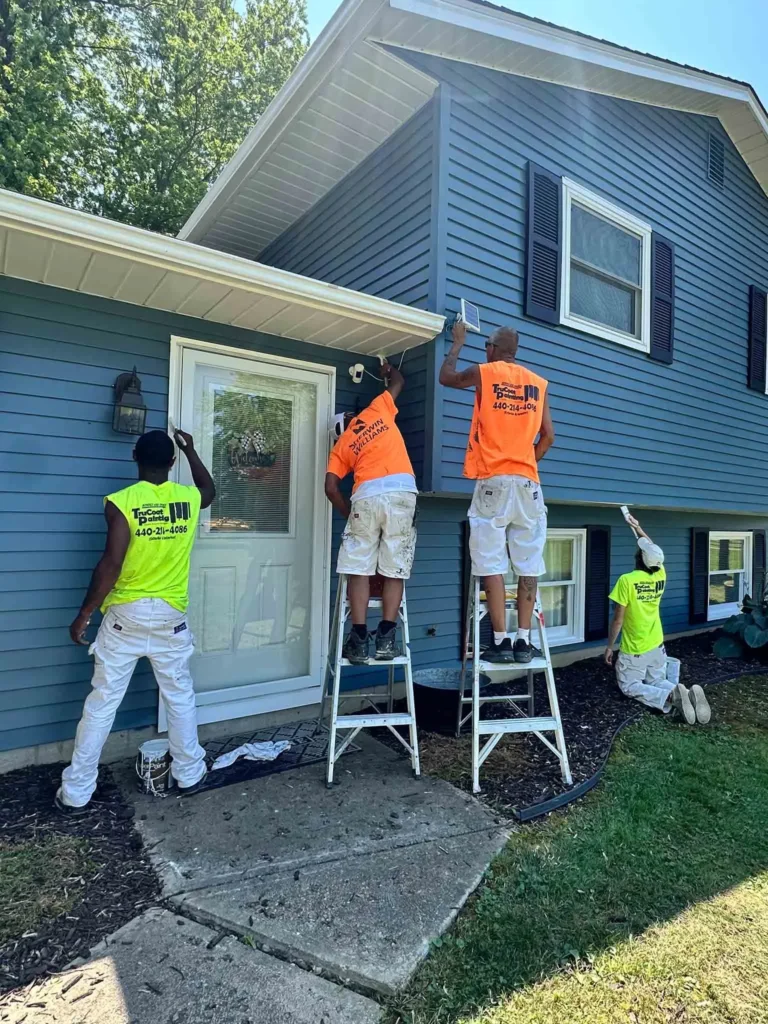
Painting vinyl shutters is manageable for skilled homeowners. However, professional painters bring added control.
Professionals understand
- Surface chemistry.
- Coating compatibility.
- Environmental timing.
- Spray equipment calibration.
- Long term performance planning.
A professional job reduces risk of premature peeling and ensures even coverage. For homeowners unsure about product selection or surface condition, consultation can prevent costly mistakes.
Conclusion
The real answer to how do you paint vinyl shutters is disciplined execution.
The correct process includes
- Remove shutters.
- Clean thoroughly.
- Lightly scuff for adhesion.
- Apply bonding primer.
- Use vinyl safe exterior acrylic paint.
- Apply thin, even coats.
- Follow proper weather guidelines.
Every step supports adhesion and flexibility. Vinyl moves. Your paint system must move with it.
Painting vinyl shutters is not about changing color alone. It is about protecting the surface while improving appearance. When done properly, the result is clean, durable and professional.
If you approach the project with preparation first and product knowledge second, your shutters will not just look better. They will perform better. That is how do you paint vinyl shutters with confidence and long term results.