$500 Off Cabinet Painting
Bathrooms are one of the most demanding environments in any home. Heat, humidity and daily use create constant stress on every surface, especially the ceiling. If you choose the wrong product, the signs show up quickly. Peeling paint, mildew spots and uneven finishes are common problems that come from poor material choices.
This is why understanding the best paint for ceiling in bathroom is not just helpful, it is essential. You are not just painting for appearance. You are building a protective layer that needs to perform every single day.
At Trucoat Painting, we have seen how the right combination of paint, prep and application changes everything. This blog breaks it down in a way that helps you make a confident, informed decision.
Why Bathroom Ceilings Require a Different Approach
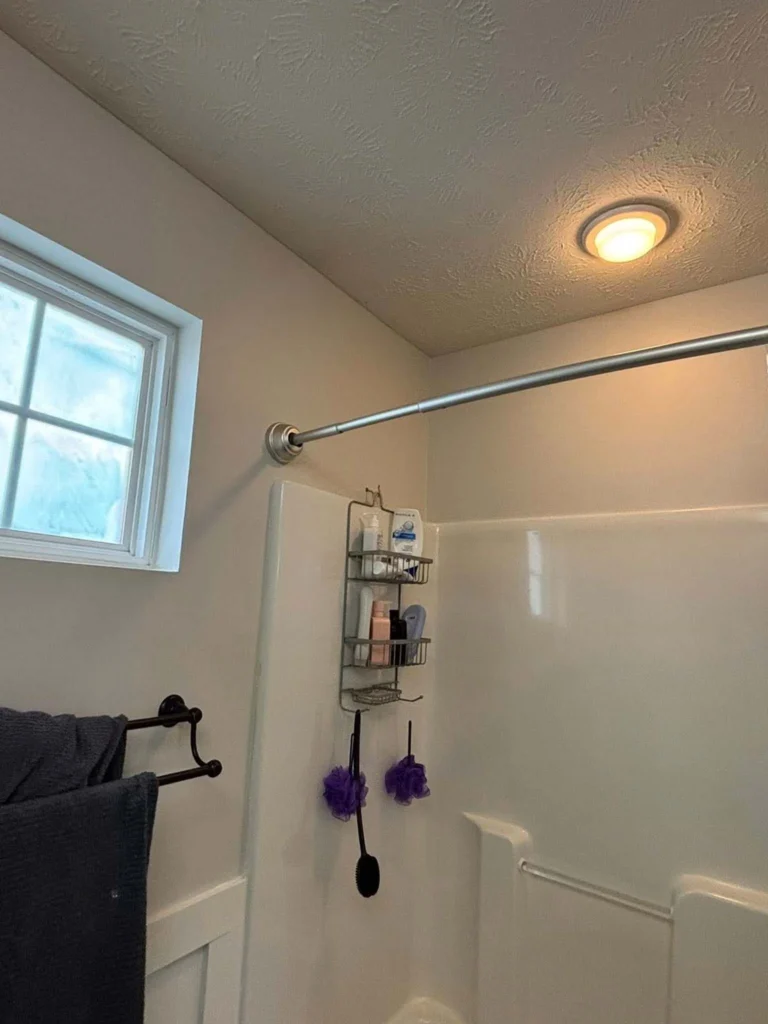
A bathroom ceiling faces conditions that standard interior ceilings do not. Steam rises, condenses and settles directly on the surface. Over time, that moisture weakens paint that is not designed to handle it.
The Real Challenges
- Constant exposure to moisture from showers and baths.
- Temperature changes that cause expansion and contraction.
- Limited airflow in many bathrooms.
- Organic buildup that supports mold growth.
This combination creates a perfect environment for paint failure if the wrong product is used.
What Happens When You Use the Wrong Paint
- Paint begins to bubble or blister.
- Surface stains appear and spread.
- Mold develops in corners and edges.
- Finish becomes uneven or chalky.
- Repainting becomes frequent and costly.
Choosing the best paint for ceiling in bathroom means solving these issues before they start.
Types of Paint That Perform Well in Bathroom Ceilings
Not all paints are created for moisture heavy environments. You need to focus on durability and resistance, not just color or coverage.
1. Acrylic Latex Paint
Acrylic latex paint is widely used because of its flexibility and durability.
Why it works
- Adapts to temperature changes without cracking.
- Resists peeling under humid conditions.
- Dries quickly and forms a stable film.
Where it fits
- Most residential bathroom ceilings.
2. Mold Resistant Paint
This type of paint includes additives that slow or prevent mold growth.
Why it works
- Reduces the risk of mildew stains.
- Keeps the ceiling cleaner over time.
- Performs well in high humidity areas.
Where it fits
- Bathrooms with limited ventilation.
- Homes with recurring moisture issues.
3. Bathroom Specific Paint Formulas
These paints are designed specifically for kitchens and bathrooms.
Why they work
- Balanced formula for moisture resistance and coverage.
- Built to handle steam and condensation.
- Designed for longer lifespan in wet environments.
Where they fit
- High use bathrooms.
- Family homes with frequent shower use.
4. Oil Based Paint
Oil based paint used to be a go to option for moisture resistance, but it is less common now.
Why it works
- Strong, durable finish.
- Good moisture resistance.
Limitations
- Strong odor.
- Longer drying time.
- Less environmentally friendly.
For most modern homes, acrylic latex remains the better choice.
Book Free estimate now!
Schedule a free estimate with our experts at Trucoat Painting Plus to gain insights on your cabinet painting project.
Choosing the Right Finish for Bathroom Ceilings
Finish plays a major role in how paint performs in a bathroom. Many homeowners focus only on color and ignore this critical factor.
Understanding Paint Finishes
Flat Finish
- Soft, non reflective look.
- Hides surface imperfections.
- Low resistance to moisture.
Satin Finish
- Slight sheen.
- Better moisture resistance than flat.
- Easier to clean.
Semi Gloss Finish
- Noticeable shine.
- High moisture resistance.
- Durable and washable.
What Works Best in Bathrooms
For most situations, satin delivers the best balance. It offers enough durability without making the ceiling look overly reflective.
Semi gloss is a strong option when moisture levels are high or ventilation is poor. It holds up well against repeated exposure to steam.
Flat finishes should be avoided unless specifically designed for bathroom use. Standard flat paint tends to absorb moisture and break down faster.
If you want reliable performance, selecting the best paint for ceiling in bathroom means prioritizing finish just as much as the product itself.
Book Free estimate now!
Schedule a free estimate with our experts at Trucoat Painting Plus to gain insights on your cabinet painting project.
Key Features to Look for Before You Buy
Walking into a paint store without a plan leads to confusion. Focus on features that directly impact performance.
Essential Features
- Moisture resistance to prevent breakdown.
- Mildew resistance to protect the surface.
- Strong adhesion for long term durability.
- Washability for easy maintenance.
- Smooth application for even coverage.
Why These Features Matter
Moisture resistance protects the paint film from weakening. Mildew resistance keeps the ceiling clean and safe. Adhesion ensures the paint bonds properly and does not peel.
Washability is important because bathroom ceilings collect residue over time. A paint that can be cleaned without damage saves effort and extends lifespan.
What to Avoid
- Low cost paints without moisture protection.
- Products not labeled for kitchens or bathrooms.
- Flat ceiling paint without mildew resistance.
Choosing the best paint for ceiling in bathroom means looking beyond price and focusing on long term performance.
Surface Preparation: The Step That Determines Everything
Even the highest quality paint will fail if the surface is not prepared properly. Preparation is where durability begins.
Step by Step Preparation Process
1. Clean the Ceiling
Remove dust, grease and soap residue. Use a mild cleaning solution and allow the surface to dry completely.
2. Remove Mold and Mildew
Treat affected areas with a mold killing solution. This step is critical. Painting over mold will not solve the problem.
3. Repair Imperfections
Fill cracks and holes. Sand rough areas to create a smooth surface for painting.
4. Apply a Primer
Use a moisture resistant primer. This improves adhesion and creates a stable base for the paint.
Why Preparation Matters
Paint needs a clean and stable surface to bond effectively. Skipping prep leads to early failure, even with high end products.
This is one of the biggest differences between professional results and short term fixes.
Book Free estimate now!
Schedule a free estimate with our experts at Trucoat Painting Plus to gain insights on your cabinet painting project.
Application Techniques That Deliver Professional Results
The way paint is applied directly affects how it performs. Even the best paint for ceiling in bathroom can fail if applied incorrectly.
Tools You Should Use
- High quality roller with proper nap thickness.
- Angled brush for corners and edges.
- Extension pole for consistent pressure.
Best Practices for Application
- Apply thin, even coats.
- Allow full drying time between coats.
- Work in manageable sections.
- Maintain consistent rolling direction.
Environmental Conditions
Ventilation plays a key role during application. Open windows or use exhaust fans to reduce moisture in the air. This helps the paint cure properly and improves overall durability.
How Long Bathroom Ceiling Paint Should Last
Longevity depends on the quality of materials, preparation and environmental factors.
Expected Lifespan
- Basic paint: 2 to 3 years.
- High quality bathroom paint: 5 to 7 years.
Factors That Impact Durability
- Ventilation quality.
- Frequency of bathroom use.
- Level of moisture exposure.
- Maintenance habits.
When you choose the best paint for ceiling in bathroom and apply it correctly, you reduce the need for frequent repainting.
Book Free estimate now!
Schedule a free estimate with our experts at Trucoat Painting Plus to gain insights on your cabinet painting project.
Common Mistakes That Lead to Paint Failure
Avoiding mistakes is just as important as choosing the right product.
Mistakes to Watch For
- Using standard flat ceiling paint.
- Skipping primer.
- Painting over mold.
- Applying thick coats.
- Ignoring ventilation issues.
Each of these mistakes shortens the lifespan of your paint and leads to additional costs.
When It Makes Sense to Hire a Professional
Some bathroom ceiling projects require more than basic DIY skills.
Situations That Need Professional Attention
- Persistent mold problems.
- Peeling or damaged surfaces.
- Water stains from leaks.
- Uneven textures or repairs.
At Trucoat Painting, we approach these issues by addressing the root cause first. Painting over a problem does not fix it. Proper diagnosis leads to lasting results.
Conclusion
Choosing the best paint for ceiling in bathroom is about making a smart, long term decision. You want a product that stands up to moisture, resists mold and maintains its finish over time.
When you combine the right paint, proper preparation and correct application, you create a surface that performs consistently. No peeling. No recurring stains. No unnecessary repainting.
If your goal is a bathroom that looks clean and stays that way, focus on durability, not shortcuts. That is how you protect both your space and your investment.